Macaws: size and lifespan vary
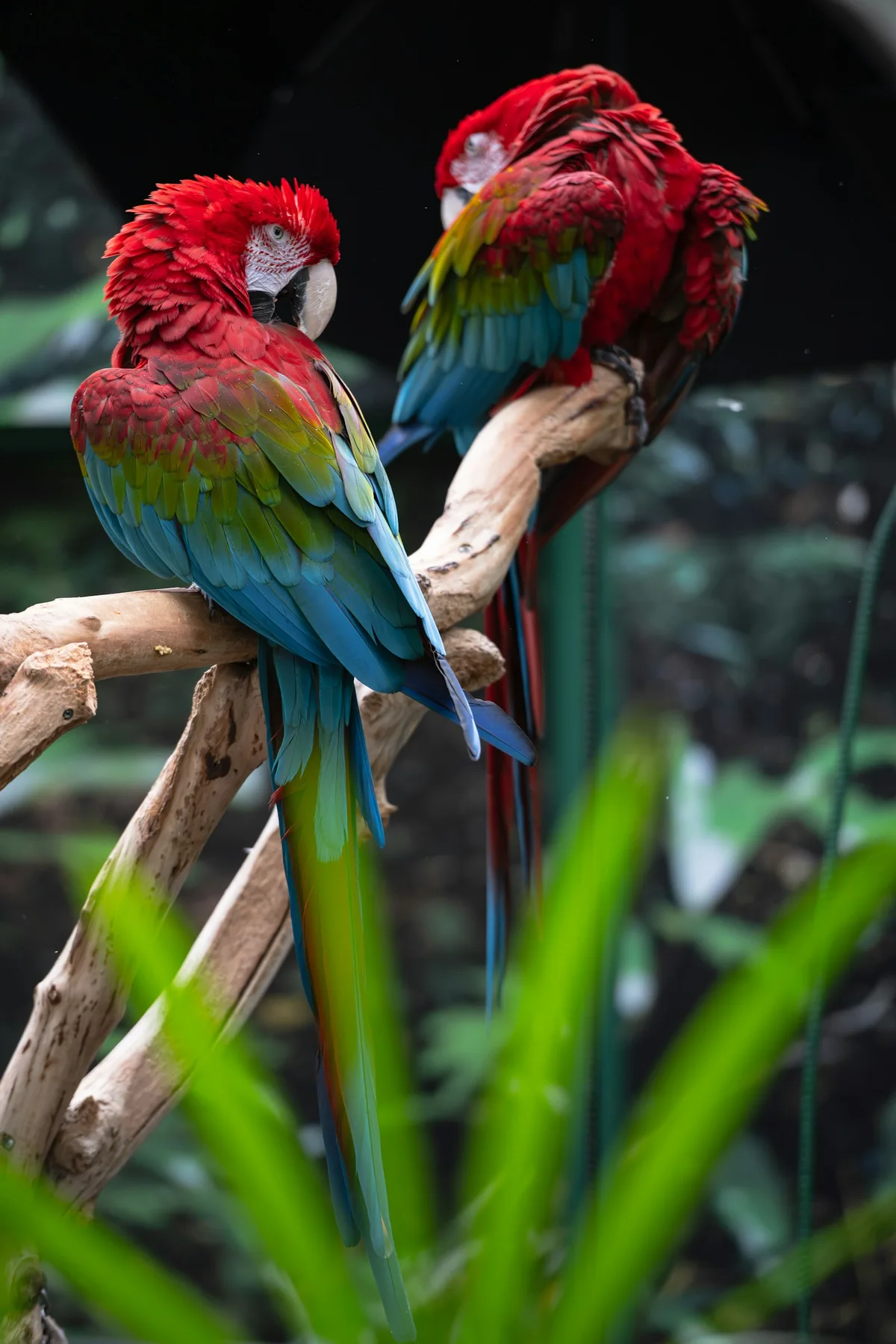
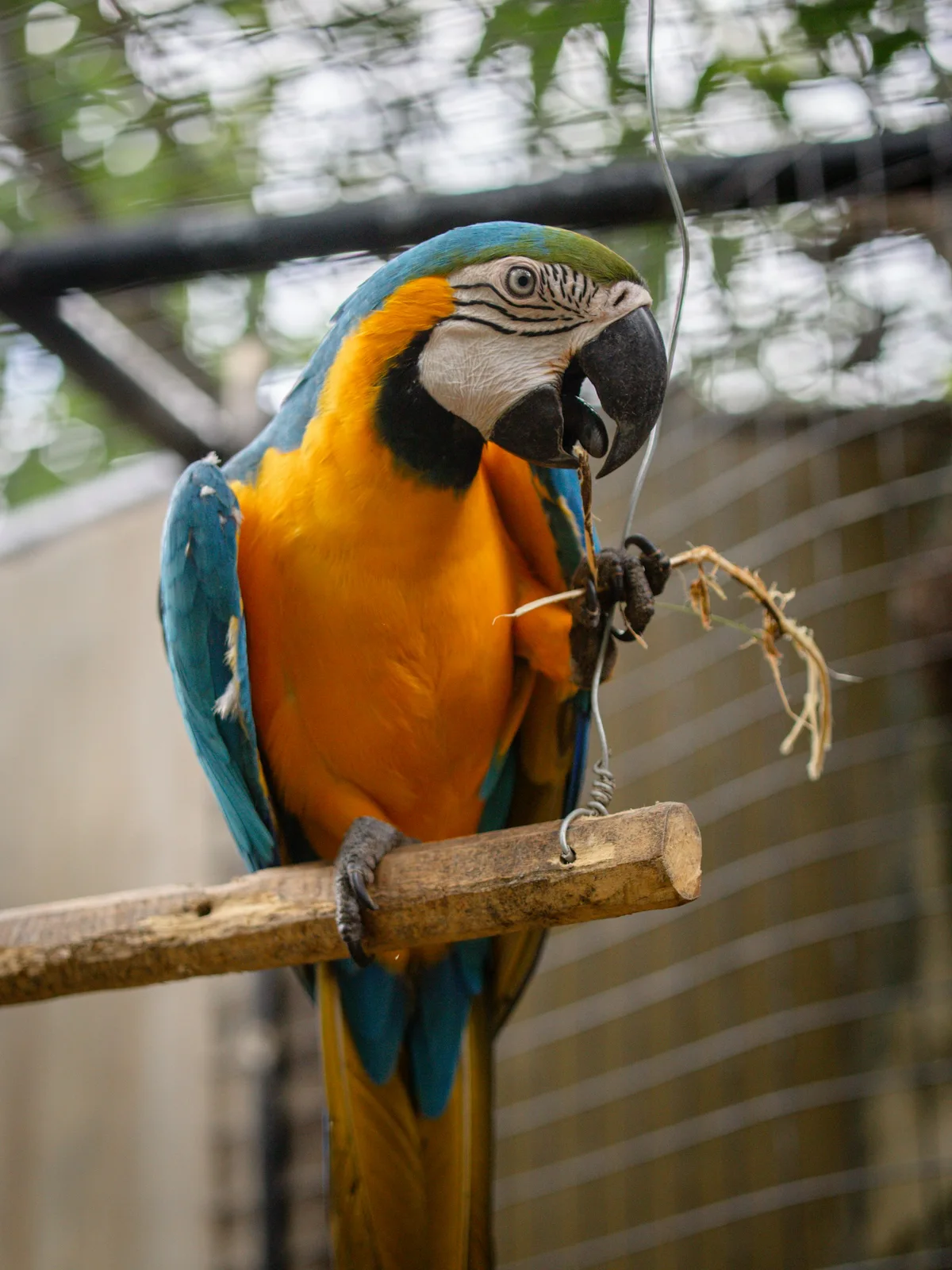
Macaws come from Mexico and Central and South America. This group includes birds of very different sizes: smaller macaws measure roughly 30 to 50 cm and large species about 76 to 100 cm, including their long tails. The blue-and-yellow macaw is a familiar example, but its care does not represent every macaw.
They require a long-term commitment. Large macaws can reach fifty years or more; smaller species often have shorter lifespans. Species, health and living conditions all matter. Always ask for the exact species, age and background of a bird you are considering.
Personality, company and powerful calls
Many macaws use their beaks and feet to explore objects. They may patiently dismantle a wooden toy or investigate how a catch works. Learning a simple exercise together can be rewarding. Some birds readily seek contact; others prefer to watch from a distance first.
Macaw calls are powerful and can carry a long way. Training does not remove this natural behaviour. Discuss noise with your household and consider your neighbours. Daily company matters, alongside opportunities for independent play. Avoid making every source of attention and care depend on one person.
What does a macaw eat?
For many commonly kept macaws, complete pellets formulated for large parrots provide a practical staple. These balanced food pieces prevent the bird from picking only its favourite seeds. Add varied vegetables, a modest amount of fruit and an appropriate portion of unsalted nuts. Seeds and nuts alone do not make a balanced menu.
Check the needs of the exact species: a hyacinth macaw, for example, has different dietary requirements from many others. One portion size will not suit the whole group. Watch what is actually eaten and include training treats in the daily total. Use a separate bowl for fresh food, remove leftovers promptly and provide clean water. Introduce changes gradually; never make a bird go hungry to force it to try new food.
Room for wings and tail
A macaw needs sturdy housing where it can turn and climb without constantly brushing its tail against bars or toys. Leave space between perches to use its wings. Larger birds also need stronger fittings, secure catches and bowls that cannot easily be detached.
Safe daily movement beyond the enclosure is important too. Prepare a room or aviary for flight with clear routes, stable landing places and no accessible cables or running fans. Outdoor accommodation needs shelter and an indoor area suited to the species and the conditions the bird is used to.
Chewing and learning together
Chewing is a normal macaw activity. Provide suitable untreated wood and destructible toys matched to the bird’s beak strength. Check for sharp pieces, loose hooks and dangerous loops. A solid-looking toy can still have a damaged attachment.
Channel curiosity into simple food-search games and short exercises. Waiting on a perch while you change a bowl, stepping up willingly and entering a carrier are useful everyday skills. Start with something the bird understands and allow it to stop. A long list of tricks is not the goal.
The daily routine
Daily care involves more than filling bowls. Before cleaning, notice appetite, posture and droppings. Check what the beak has done to the furnishings: an attachment can become loose within a day.
- Morning: provide fresh water and the daily menu; clean bowls and remove dirt from the floor.
- Daytime: arrange safe movement and company, offer chewing materials and remove fresh-food leftovers.
- Evening: check catches and toys and settle the sleeping area.
Explain to a backup carer how your bird steps up and returns to its enclosure. Seek help from an avian vet for sudden changes in eating or behaviour.
Is this species right for you?
A macaw may suit you if you have ample space, enjoy working with a bird and can accommodate noise and a powerful beak. Much of the pleasure comes from ordinary moments: seeing how it solves a problem, practising together and discovering its habits.
Budget for housing, food, replacement toys and veterinary care. Arrange help for your absences. If quiet is essential or all care would fall to one very busy person, address those limitations first. A smaller macaw is not necessarily a quieter or easier companion.