Check the space at different times
A spot sheltered in the morning may be fully sunlit later. Check the enclosure and transport area several times on warm days. Notice how the sun moves and whether shade remains available. Make adjustments before the heat arrives.
Assess conditions from the bird’s location. A thermometer elsewhere does not necessarily describe a sunny corner behind glass. Notice changes through the day and heat retained after sunset. Check where the bird can rest if its usual location becomes warmer.
Prepare a plan for unusually hot days. Who can check again while you are away, and what safe space is available if relocation becomes necessary? Have equipment ready before temperatures rise. A prepared household needs less improvisation and can recognise sooner when the normal routine no longer suits the actual conditions.
Choice and access matter
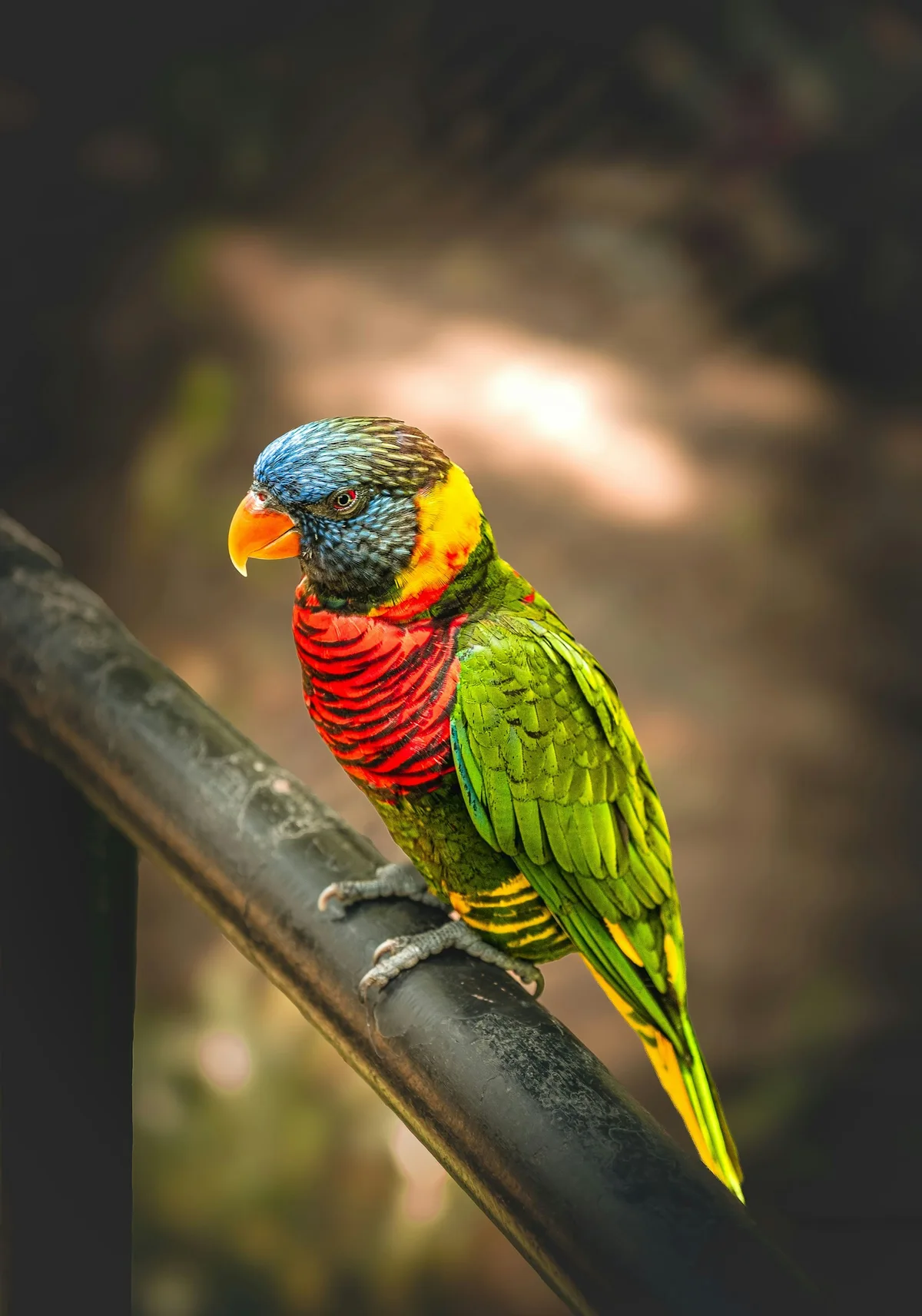
Make sure the bird can reach shelter and water independently. Do not simply move a bowl somewhere it is reluctant to approach. Check more often for dirty water and spoiled fresh food, and review feeding arrangements particularly carefully for lorikeets.
Shade is only useful if the bird can reach it readily and rest there comfortably. Water must be clean and accessible, not merely present. Check more often if food is dropped into it or it is used for bathing. Warm conditions may also require closer attention to food freshness.
Reconsider safety when ventilating. An open outside door or window can allow escape, and a running fan must not be accessible during free movement. Choose arrangements that do not trade one problem for another. In outdoor housing, shelter and daily monitoring remain part of the regular plan.
Plan travel and activities thoughtfully
Prepare necessary journeys and never leave a bird in a parked car. Avoid extra exertion during hot periods. Allow ventilation without exposing a loose bird to moving fan blades. A comfortable environment needs a safe plan, not improvisation.
Move exercise or necessary travel to a more suitable time where possible. Consider the entire journey, including waiting after arrival. Leaving in a cool car does not guarantee that the carrier stays out of sunlight later. Ask beforehand if you need a cooler waiting area.
Adjust expectations at home too. A hot day is not an ideal time for unfamiliar demanding activities. Offer quiet options and observe what the bird chooses. Avoid extreme temperature changes or an unexpected forced shower as a quick solution. Clear signs of illness require veterinary guidance rather than experiments with cooling methods.
Take changes seriously
Open-mouth breathing at rest, obvious breathing difficulty, weakness or collapse require immediate contact with an avian vet or emergency service. Safely move the bird out of direct heat while arranging help. Do not experiment with ice baths, forced drinking or medication.
Know ordinary behaviour at different times so deviations stand out. Note activity, posture or breathing changes without adding disturbance. When unsure, explain what differs and describe the surroundings at that moment. Conditions provide more useful information to the vet than simply saying the weather is hot.
For serious signs, call immediately and follow transport and care instructions. Do not wait until evening because temperatures might fall. Afterwards, review prevention with a professional. Adjusting shade, monitoring and access to help is more valuable than accepting the same risk again on the next hot day.
A place to start
- Check shade in the afternoon too.
- Keep extra clean water bowls ready.
- Keep the emergency service number available.
A common question
Does a tropical bird always tolerate heat well?
No. Origin does not guarantee protection from overheating. The individual, acclimatisation and access to a comfortable retreat matter.